Prison Conditions & Safety
Overcrowding, understaffing, and rising violence define modern federal prisons. Topics here include the physical and psychological toll of unsafe environments, the link between understaffing and unchecked abuse, and firsthand accounts of incarcerated individuals navigating daily risks. This section underscores how degraded conditions harm both prisoners and staff.
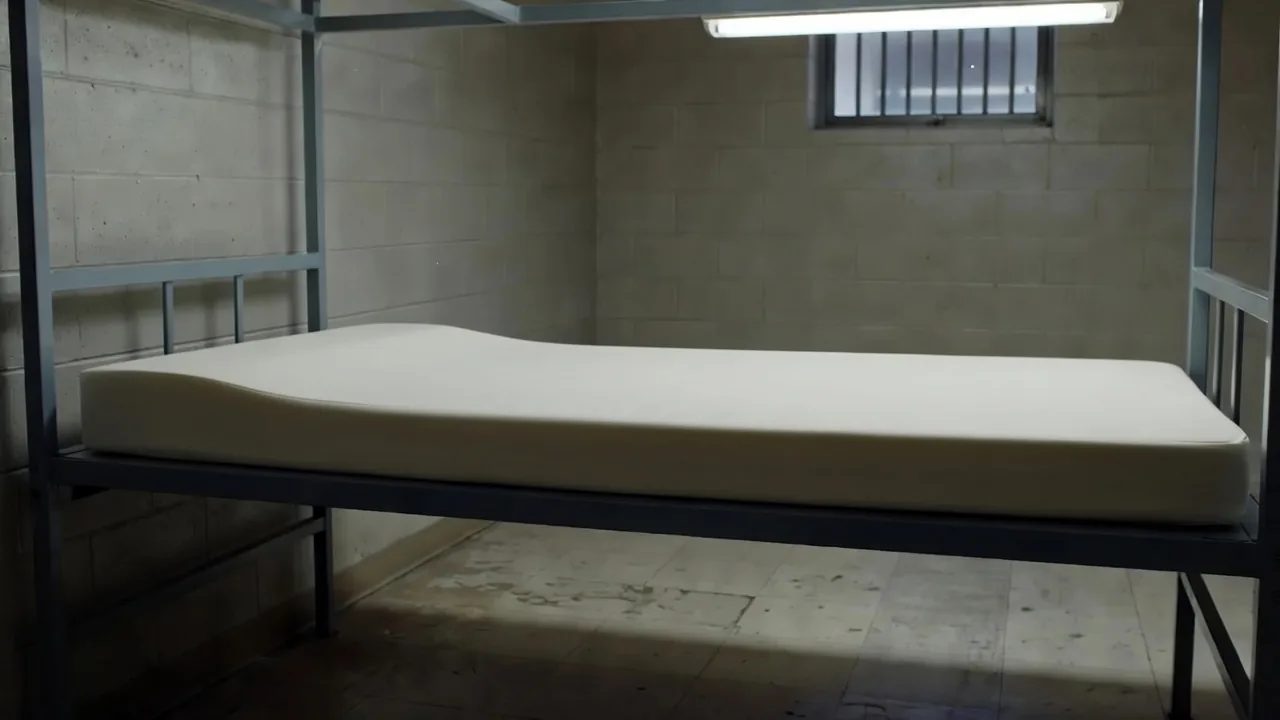 The case for pillows: the cheapest fix in the federal prison system
BOP policy requires a pillow and pillowcase in every bedding issue. What reaches the cell is a mattress with the pillow molded into it, and mattresses that get cut open so people can make the pillow they were promised.
Read more
The case for pillows: the cheapest fix in the federal prison system
BOP policy requires a pillow and pillowcase in every bedding issue. What reaches the cell is a mattress with the pillow molded into it, and mattresses that get cut open so people can make the pillow they were promised.
Read more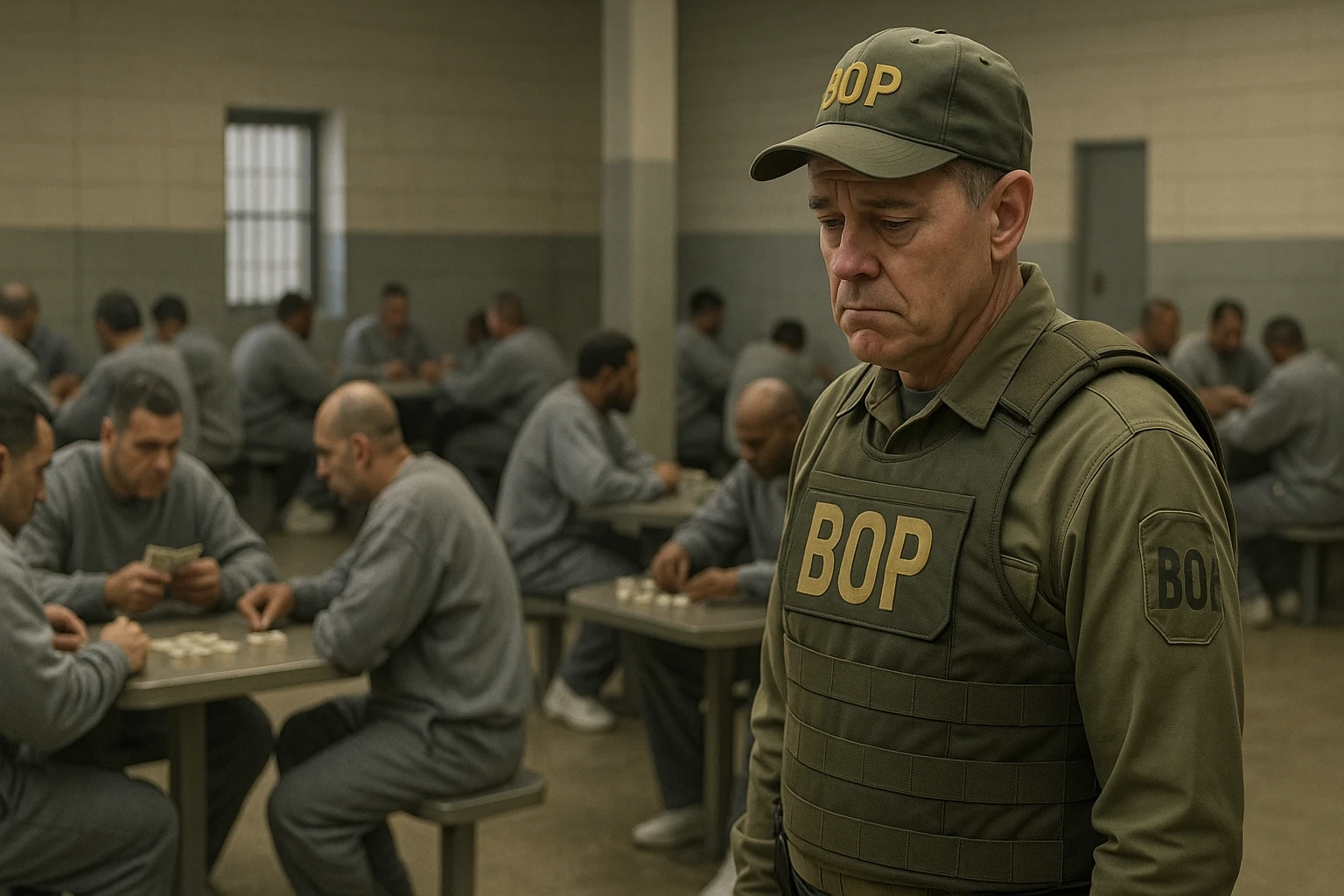 The Cycle of Despair: How Mismanagement in U.S. Federal Prisons Fuels Drug Epidemics and Endangers Staff
The U.S. Federal Bureau of Prisons (BOP) faces an escalating crisis driven by illicit drugs infiltrating its facilities, creating a self-sustaining cycle of despair and hopelessness that impacts inmates and correctional staff alike. Historically, drugs entering prisons were smuggled primarily by
Read more
The Cycle of Despair: How Mismanagement in U.S. Federal Prisons Fuels Drug Epidemics and Endangers Staff
The U.S. Federal Bureau of Prisons (BOP) faces an escalating crisis driven by illicit drugs infiltrating its facilities, creating a self-sustaining cycle of despair and hopelessness that impacts inmates and correctional staff alike. Historically, drugs entering prisons were smuggled primarily by
Read more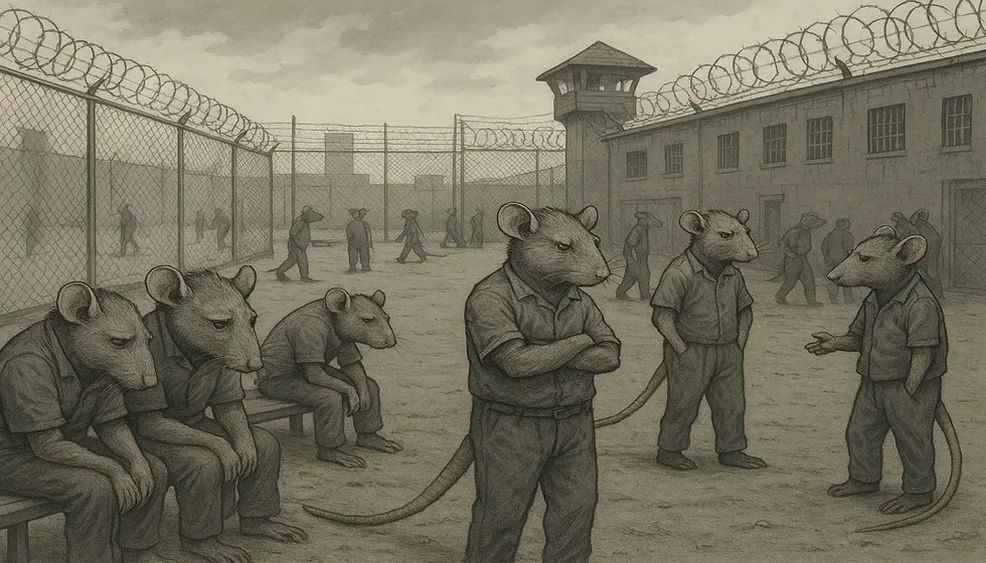 The Rat Park Problem: How the Bureau of Prisons Engineered a Drug Epidemic
In the late 1970s, psychologist Bruce K. Alexander conducted a groundbreaking experiment that redefined how addiction is understood. Known as the Rat Park study, the experiment demonstrated that addiction is not simply about chemical dependency, but about environment, connection, and mental health.
Read more
The Rat Park Problem: How the Bureau of Prisons Engineered a Drug Epidemic
In the late 1970s, psychologist Bruce K. Alexander conducted a groundbreaking experiment that redefined how addiction is understood. Known as the Rat Park study, the experiment demonstrated that addiction is not simply about chemical dependency, but about environment, connection, and mental health.
Read more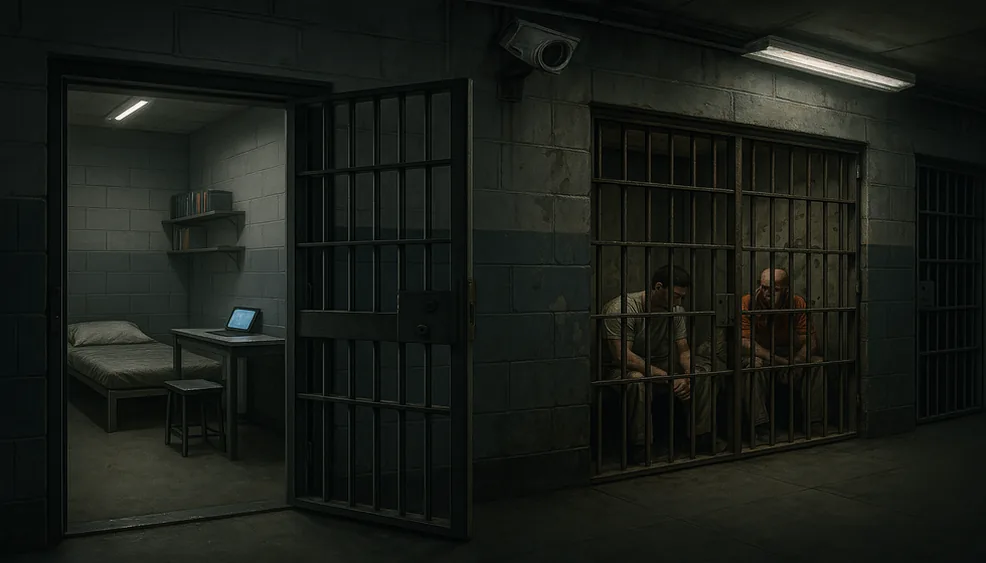 The Real Catalyst of Prison Suicide Rates: Misguided Policy and Ignored Evidence
In the early 2020s, the Federal Bureau of Prisons (BOP) began to address a disturbing trend: an increase in inmate suicides. Internal data indicated that suicides occurred more frequently among inmates housed alone. In response, the BOP implemented broad policies aimed at doubling up inmates in
Read more
The Real Catalyst of Prison Suicide Rates: Misguided Policy and Ignored Evidence
In the early 2020s, the Federal Bureau of Prisons (BOP) began to address a disturbing trend: an increase in inmate suicides. Internal data indicated that suicides occurred more frequently among inmates housed alone. In response, the BOP implemented broad policies aimed at doubling up inmates in
Read more The Unintended Consequences of Removing Microwaves in Federal Prisons
For decades, inmates in the Bureau of Prisons (BOP) had access to microwaves—standard heavy-duty units similar to those found in convenience stores. Then, following a violent incident in a Florida state prison where an inmate used a microwaved bowl of Vaseline as a weapon, the BOP reacted by phasing
Read more
The Unintended Consequences of Removing Microwaves in Federal Prisons
For decades, inmates in the Bureau of Prisons (BOP) had access to microwaves—standard heavy-duty units similar to those found in convenience stores. Then, following a violent incident in a Florida state prison where an inmate used a microwaved bowl of Vaseline as a weapon, the BOP reacted by phasing
Read more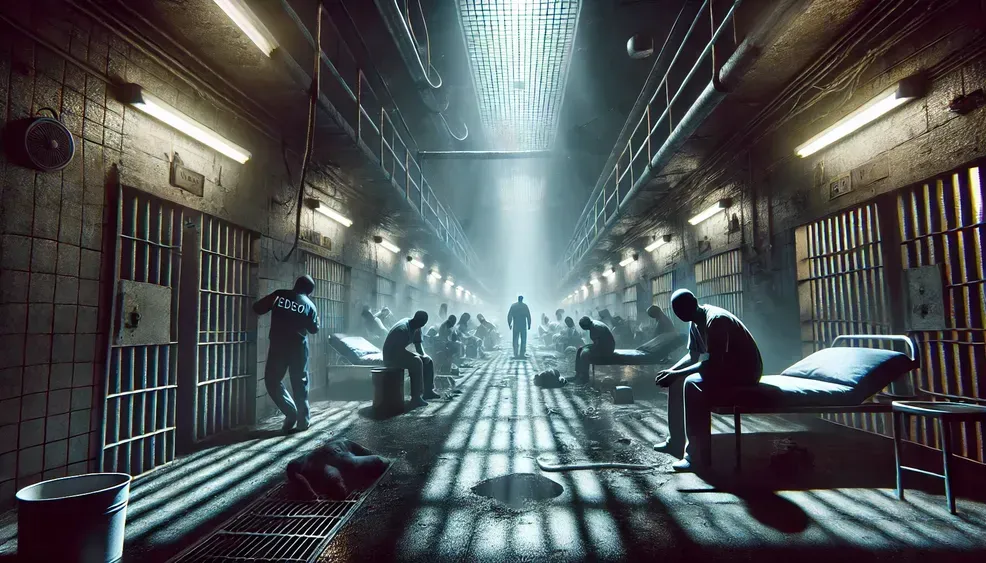 Prison Conditions & Safety
The Crisis in Federal Prisons: A System in Decline More than a decade ago, synthetic marijuana was developed to mimic the effects of cannabis while avoiding detection in standard drug tests. In response, new testing protocols were introduced, and the manufacturers adapted by altering the chemical
Read more
Prison Conditions & Safety
The Crisis in Federal Prisons: A System in Decline More than a decade ago, synthetic marijuana was developed to mimic the effects of cannabis while avoiding detection in standard drug tests. In response, new testing protocols were introduced, and the manufacturers adapted by altering the chemical
Read more