Two Forrest City Officers Get Thirty Months for the Contraband Economy
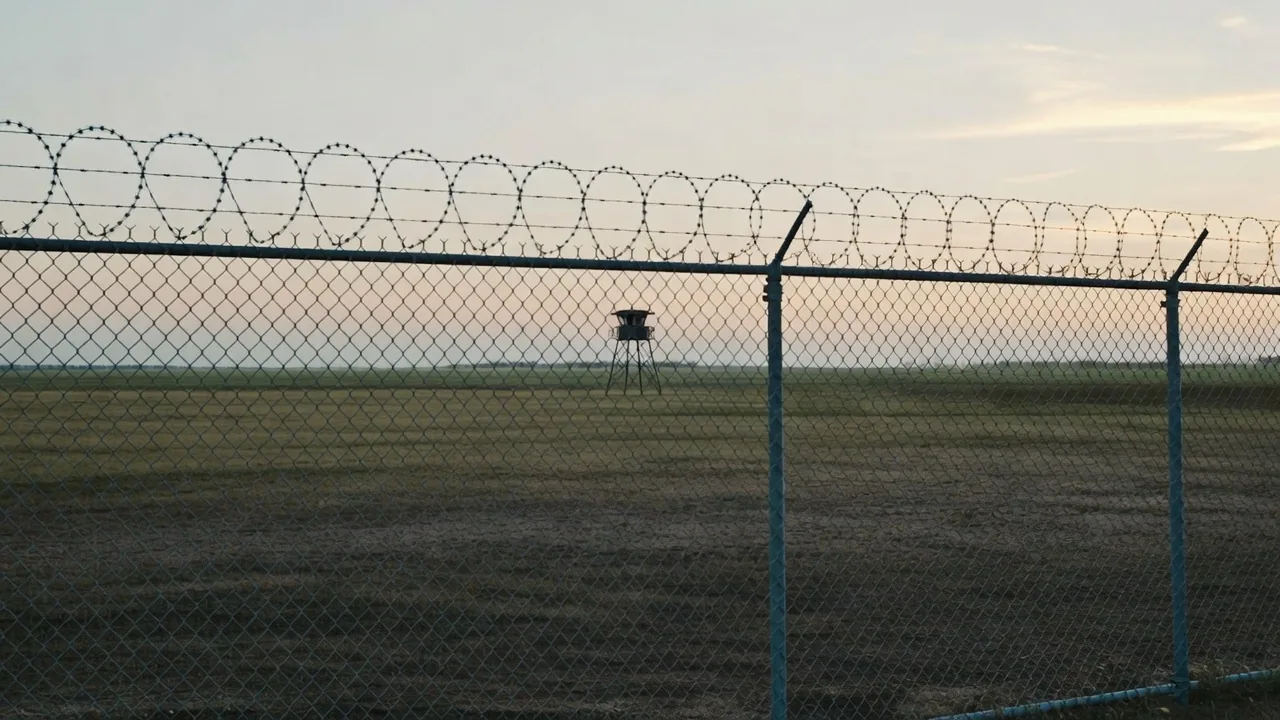
Two former correctional officers from the Federal Correctional Complex in Forrest City, Arkansas each got 30 months in federal prison on Wednesday, August 19. U.S. Attorney Jonathan D. Ross for the Eastern District of Arkansas announced the sentences two days later. The two cases were unrelated investigations at the same complex, and together they add up to $150,563 paid to officers to walk contraband through a federal prison’s front door.
Robert Cochran, 37, of Forrest City, worked at the complex and treated it as a delivery route. A federal grand jury indicted him on bribery of a public official on December 5, 2023, and he pleaded guilty on March 11, 2026. Investigators found he received $58,775 from friends and family of inmates to bring in rolling papers, tobacco, Gucci sunglasses, and over-the-counter drugs. The method was about as subtle as it gets: Cochran carried bags of contraband in, left them in an office while on duty, and let an inmate pick them up. Video caught him doing exactly that in February 2023, and he admitted to investigators that he was paid to bring items in.
Tejuana Dillard, 42, spent 13 years at Forrest City, from 2008 to 2021, and ran a cigarette business through the institution. A grand jury indicted her on bribery and on making a false statement to federal agents on June 6, 2024. She pleaded guilty to the false-statements charge on March 11, 2026. The investigation found she smuggled cigarettes into the facility throughout 2020 and was paid $91,788 selling them to two inmates. When agents interviewed her, she said she had only smuggled cigarettes “a couple of times.” That lie cost her as much as the cigarettes did.
Two things stand out. The first is the price. Nobody paid Cochran or Dillard for a few cartons as a favor. Nearly $92,000 flowed to one officer from two inmates buying cigarettes, and $58,000-plus flowed to the other for rolling papers, tobacco, and drugstore items. That is not petty corruption. That is a payroll, and it matches what we have described before: contraband in federal facilities runs at standardized rates because it is a market with reliable demand, and the customers price staff risk into every transaction.
The second is that these officers got prosecuted at all. Most staff caught smuggling get fired, not charged, because the BOP can barely hold its staffing line and has little appetite for eating its own workforce. These two cases went to federal grand juries, produced guilty pleas, and ended with 30 months each. That is a real outcome, and the families who paid and the inmates who sold should notice it. But two sentences in one complex, in two separate investigations that took years to reach a plea, is a sample, not a crackdown.
Dillard’s false-statements plea also shows how these cases actually get made. The government could not prove bribery beyond a reasonable doubt on its own, so it charged the lie she told agents about it. That is the standard tool. It gets a conviction, and it also means the published record understates what moved through the facility, because the charge reflects what an officer admitted, not what an officer carried.
Sources
- KATV, "Two Forrest City federal prison guards sentenced in contraband smuggling cases," August 21, 2026.
- KAIT, "Two former Forrest City prison guards sentenced for smuggling contraband," August 21, 2026.
- NEA Report, "Two Former Forrest City Federal Prison Officers Sentenced in Bribery Cases," August 21, 2026.