BOP History & Decline
This section explores the transformation of the Federal Bureau of Prisons (BOP) over the past 30 years, contrasting its former focus on rehabilitation with today’s punitive, cost-driven model. Articles here detail how budget cuts, privatization, and policy shifts eroded educational programs, healthcare, and oversight, turning prisons into overcrowded, unsafe environments. Historical context helps readers understand systemic decay and the urgency of reform.
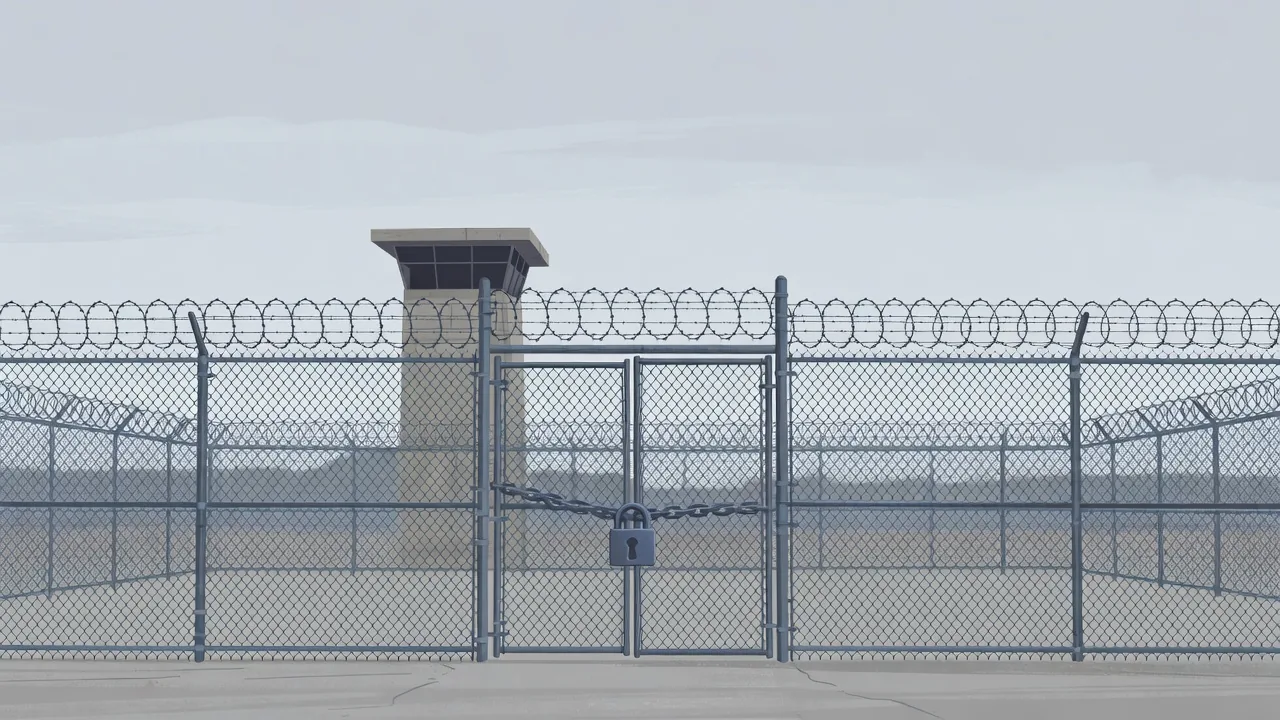 Six Federal Prisons Are Closing. La Tuna Could Become a Migrant Detention Center.
The Bureau of Prisons is permanently closing six facilities, displacing about 5,400 people in custody and 500 staff, citing extreme understaffing and a $4 billion maintenance backlog. In Anthony, Texas, residents worry La Tuna could become a migrant detention center.
Read more
Six Federal Prisons Are Closing. La Tuna Could Become a Migrant Detention Center.
The Bureau of Prisons is permanently closing six facilities, displacing about 5,400 people in custody and 500 staff, citing extreme understaffing and a $4 billion maintenance backlog. In Anthony, Texas, residents worry La Tuna could become a migrant detention center.
Read more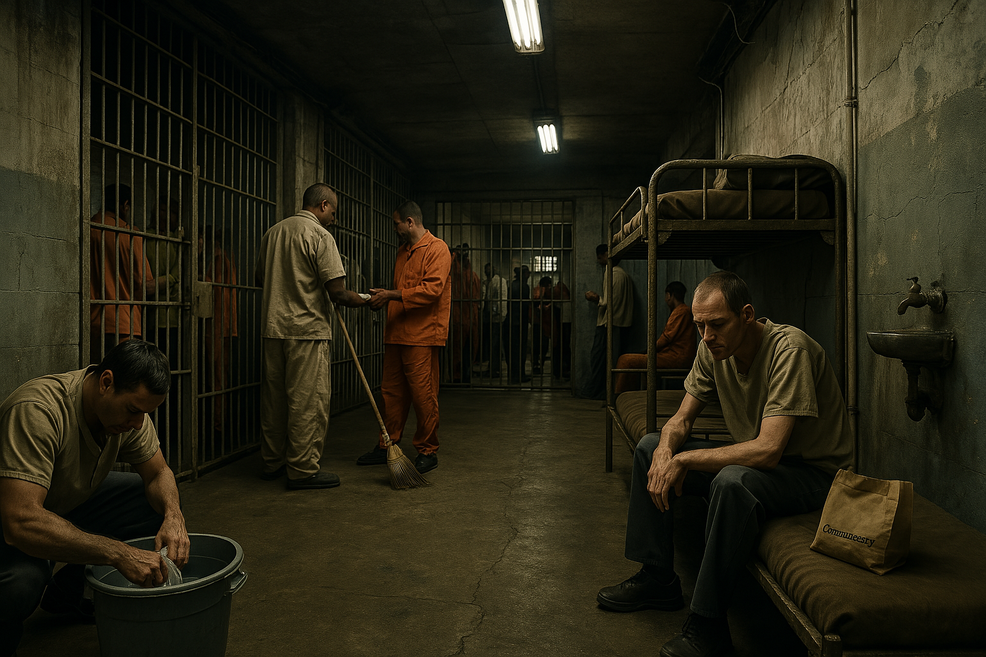 The Federal Bureau of Prisons Has Engineered Economic Chaos Behind Bars
The Federal Bureau of Prisons (BOP) has long struggled with balancing security, rehabilitation, and humane treatment. But recent policy changes—particularly those involving inmate compensation and access to basic necessities—have tipped the scale toward dysfunction. By slashing inmate pay by as much
Read more
The Federal Bureau of Prisons Has Engineered Economic Chaos Behind Bars
The Federal Bureau of Prisons (BOP) has long struggled with balancing security, rehabilitation, and humane treatment. But recent policy changes—particularly those involving inmate compensation and access to basic necessities—have tipped the scale toward dysfunction. By slashing inmate pay by as much
Read more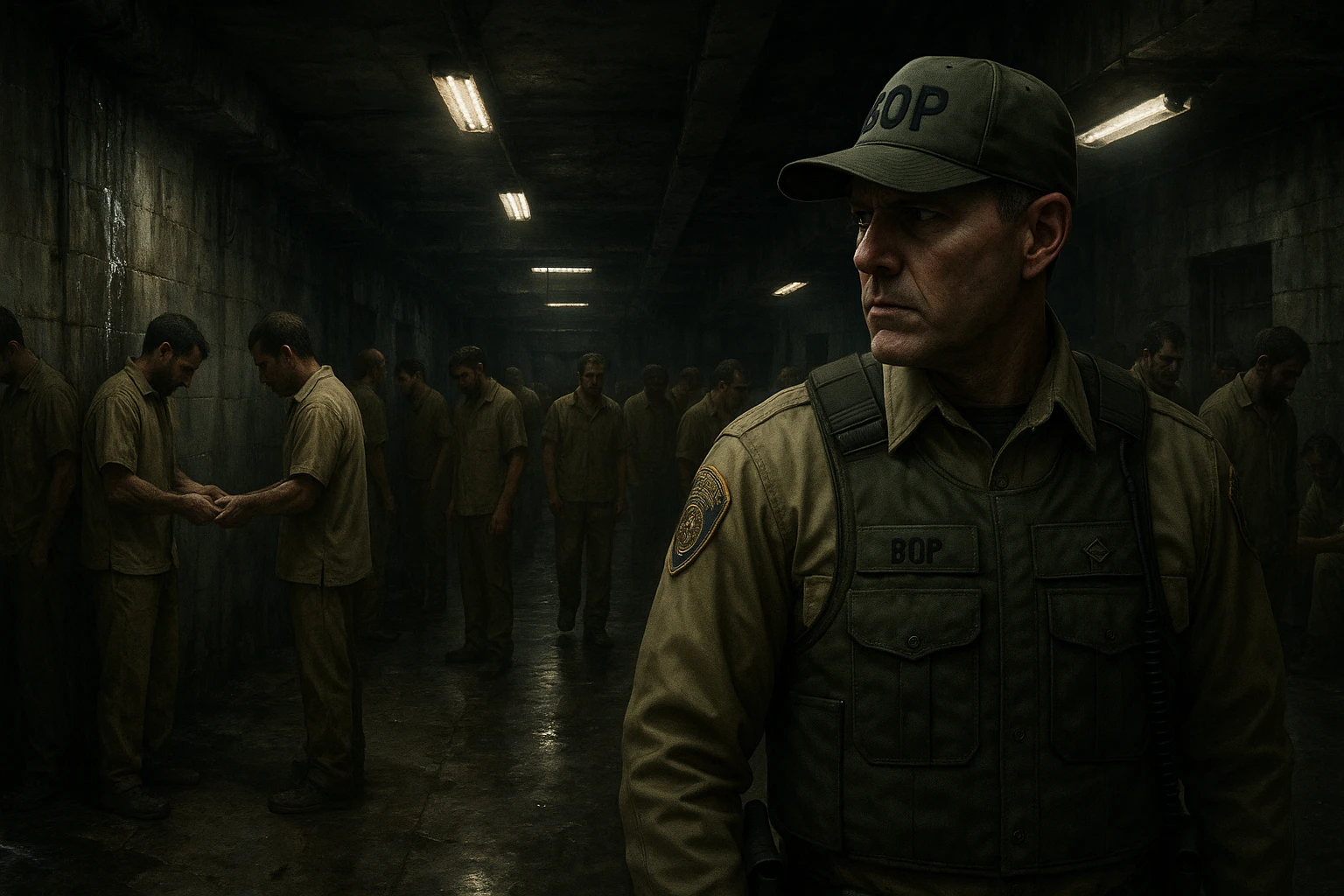 Reforming the Federal Prison System: A Call for Rehabilitation Over Punishment
The United States Federal Bureau of Prisons (BOP) was once a system that, at least at its Minimum and Low-security levels, emphasized rehabilitation over mere incapacitation. Inmates had access to recreational activities like tennis courts and putting greens, the food was tolerable, and individuals
Read more
Reforming the Federal Prison System: A Call for Rehabilitation Over Punishment
The United States Federal Bureau of Prisons (BOP) was once a system that, at least at its Minimum and Low-security levels, emphasized rehabilitation over mere incapacitation. Inmates had access to recreational activities like tennis courts and putting greens, the food was tolerable, and individuals
Read more